
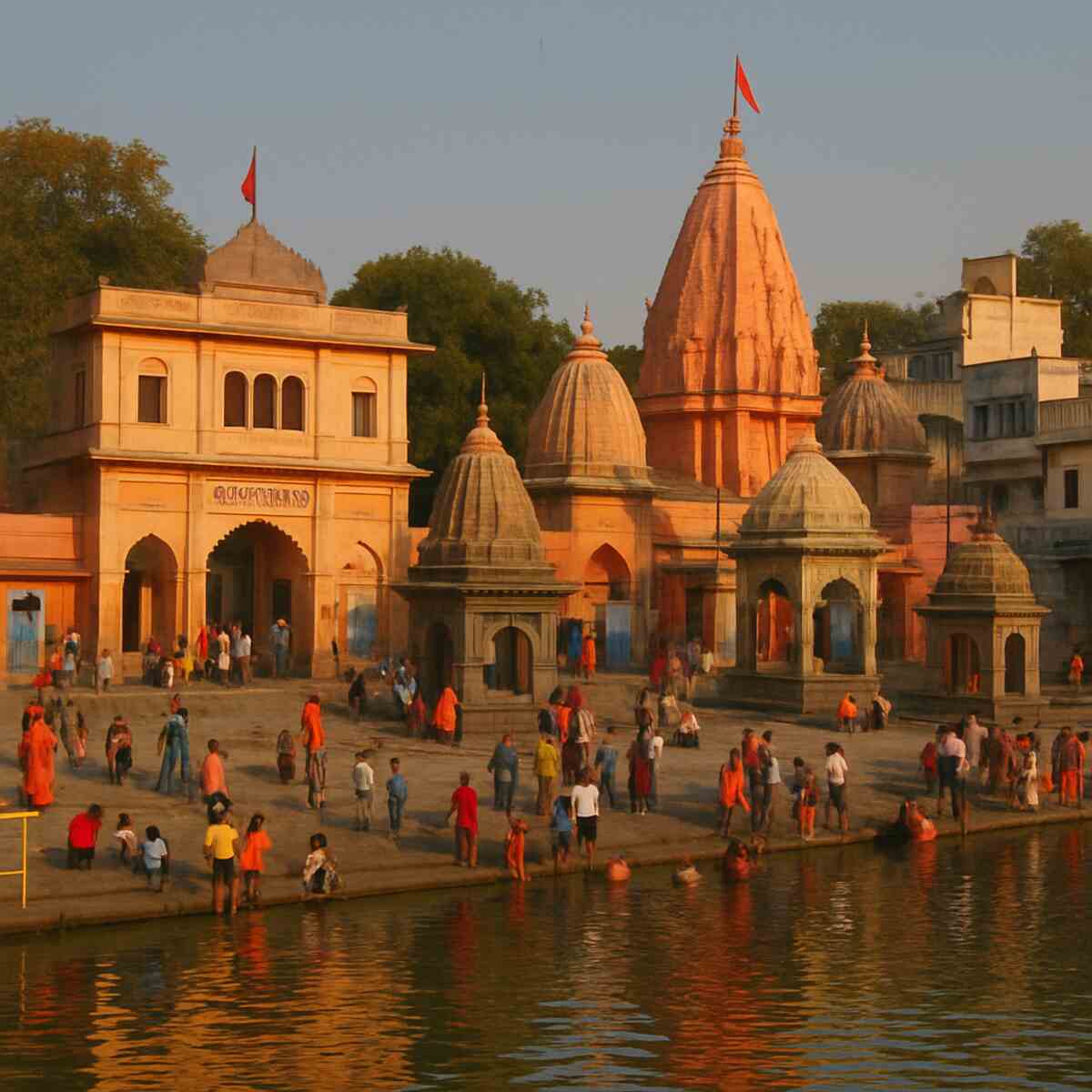
Embarking on a journey to Ujjain, a city steeped in historical and spiritual significance, requires careful planning to maximize the experience. Located in the heart of Madhya Pradesh, India, Ujjain is not merely a destination; it is an odyssey through time, offering glimpses into the rich tapestry of Indian culture and spirituality. This guide provides an intricate analysis of the optimal times to visit Ujjain, ensuring your trip is both enlightening and enjoyable. The Amazing fact about Ujjain Trip.
Before delving into the specific times of year most conducive to a visit, it is imperative to understand Ujjain’s climate. The city experiences a tropical climate, characterized by three distinct seasons: summer, monsoon, and winter. Each season brings its unique charm and challenges, influencing the overall experience of the city.
Summer: Intense and Sweltering
From March to June, Ujjain undergoes its summer season, marked by soaring temperatures that can reach up to 45 degrees Celsius. This period is generally less favorable for travel due to the extreme heat, which can be overwhelming for visitors not acclimatized to such conditions. However, this season offers an opportunity for those interested in experiencing Ujjain in a quieter, less crowded setting.
Despite the heat, summer provides a unique lens through which to view Ujjain. Early mornings and late evenings are the best times to explore the city during this season. The serene ambiance of the temples during these hours can be both calming and spiritually uplifting. Moreover, the reduced number of tourists allows for a more intimate experience at popular sites.
Visitors should prepare adequately for the summer heat by staying hydrated and wearing light, breathable clothing. Sun protection, such as hats and sunscreen, is essential to prevent sunburn and heatstroke. Those who brave the summer months will find themselves rewarded with a deeper connection to the city’s spiritual aura.
Monsoon: A Symphony of Rain
The monsoon season, spanning from July to September, transforms Ujjain into a verdant paradise as the rains rejuvenate the landscape. While the monsoon offers respite from the summer heat, it also brings challenges, such as travel disruptions caused by heavy rainfall. For travelers who relish the sound of rain and the sight of lush greenery, this season might prove appealing.
During the monsoon, Ujjain’s natural beauty is at its peak, with the greenery providing a picturesque backdrop to the city’s historic sites. Rain-soaked streets exude a certain charm, inviting visitors to explore Ujjain’s hidden corners. However, travelers should be prepared for occasional downpours and potential delays in transportation.
Exploring Ujjain during the monsoon requires flexibility and a sense of adventure. Pack waterproof clothing and sturdy footwear to navigate wet conditions comfortably. Despite the challenges, the monsoon offers a unique perspective on Ujjain’s cultural and spiritual life, with the rain adding a mystical touch to temple visits.
Winter: Mild and Inviting
The winter months, from October to February, are considered the most favorable for a trip to Ujjain. During this time, temperatures hover between 10 to 25 degrees Celsius, providing a comfortable and pleasant climate for exploration. The cool, crisp air enhances the experience of visiting Ujjain’s numerous temples and historical sites.
Winter is undoubtedly the best time for sightseeing and cultural immersion in Ujjain. The pleasant weather allows for extended outdoor activities, such as exploring the city’s bustling markets and ancient monuments. Visitors can also indulge in local culinary delights, which are particularly enjoyable in the cooler climate.
The winter season also coincides with several festivals and events, adding vibrancy and excitement to the city. Tourists can witness the rich tapestry of local traditions and participate in the communal celebrations, making their visit to Ujjain truly unforgettable. To make the most of this season, travelers should book accommodations in advance, as it is the peak tourist period.
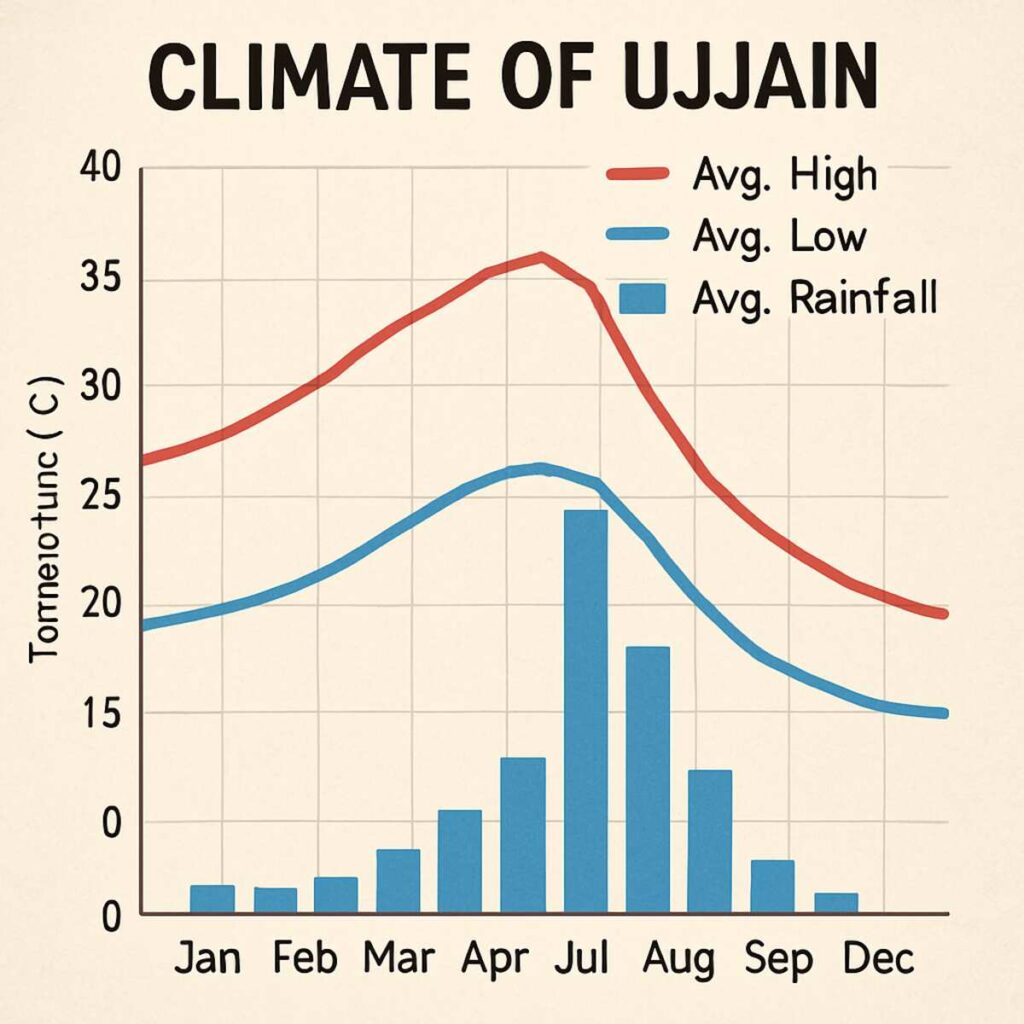
Optimal Time for a Trip to Ujjain
The Majesty of Mahakaleshwar Temple
For those whose journey is spiritually inclined, visiting during the Maha Shivaratri festival is highly recommended. This festival, celebrated in February or March, is one of the most significant events in Ujjain, with the Mahakaleshwar Temple serving as the epicenter of festivities. Witnessing the fervor and devotion during this time offers a unique insight into the cultural and religious fabric of the city.
Maha Shivaratri is a night-long celebration, featuring elaborate rituals and spiritual discourses. The temple’s atmosphere is charged with devotion, as thousands of pilgrims gather to seek blessings from Lord Shiva. Participating in the temple’s rituals provides a profound spiritual experience that leaves a lasting impression on visitors.
Apart from the religious significance, Maha Shivaratri is also a time of cultural exchange. Visitors have the opportunity to interact with devotees from diverse backgrounds, gaining insights into their beliefs and practices. To fully embrace the festival’s spirit, travelers should immerse themselves in the local customs and traditions.
Simhastha Kumbh Mela: A Rarity
The Simhastha Kumbh Mela, held every 12 years, is an event of monumental significance. It attracts millions of pilgrims and tourists from across the globe, all converging on Ujjain to partake in the sacred ritual of bathing in the Shipra River. The next Simhastha is slated for 2028, presenting a rare opportunity to witness one of Hinduism’s largest and most auspicious gatherings.
The Kumbh Mela is not just a religious event; it is a spectacle of humanity’s diversity and unity. Visitors can observe the vibrant processions of sadhus and spiritual leaders, each bringing their unique traditions and teachings to the event. The atmosphere is electric, filled with chants, music, and the scent of incense.
Participating in the Kumbh Mela offers a once-in-a-lifetime experience and provides a deeper understanding of Hindu spirituality and philosophy. For those planning to attend, it is crucial to prepare for large crowds and ensure accommodations are booked well in advance. The logistics of attending such a massive event require careful planning, but the rewards are immeasurable.
Kalidas Samaroh: A Celebration of Art and Literature
For connoisseurs of art and literature, planning a trip during the Kalidas Samaroh, a week-long festival dedicated to the legendary poet Kalidasa, is advisable. Held annually in November, this festival showcases a plethora of cultural performances, including classical music, dance, and theatrical adaptations of Kalidasa’s works.
Kalidas Samaroh is a tribute to India’s rich literary heritage, attracting artists and scholars from around the world. Attendees can enjoy a diverse array of performances, from traditional dance recitals to contemporary interpretations of Kalidasa’s poetry. The festival provides a platform for artistic expression, fostering creativity and cultural exchange.
Engaging with the festival’s events allows visitors to appreciate the depth and beauty of Indian literature and performing arts. The vibrant atmosphere encourages participation, with workshops and discussions available for those eager to delve deeper into the cultural milieu. Planning a visit during Kalidas Samaroh offers a unique opportunity to connect with India’s artistic legacy.
Practical Tips for Planning Your Ujjain Trip
Accommodation and Transportation
When planning your trip to Ujjain, it is essential to consider accommodation and transportation in advance, especially during peak festival times. The city offers a range of lodging options, from luxury hotels to budget-friendly guesthouses. Prioritizing comfort and convenience will enhance your overall experience.
Choosing the right accommodation depends on your preferences and budget. Luxury hotels offer modern amenities and are often located near major attractions, while guesthouses provide a more authentic local experience. Booking early is advisable, particularly during festival seasons, to secure the best options and avoid last-minute inconveniences.
Transportation within Ujjain is facilitated by a network of auto-rickshaws and taxis, which are convenient for navigating the city’s winding streets and visiting distant temples. Familiarizing yourself with the local transport options will help you move around effortlessly. Negotiating fares in advance and confirming routes can prevent misunderstandings and ensure a smooth journey.
Cultural Sensitivity and Etiquette
Ujjain is a city deeply entrenched in tradition and spirituality. Visitors are advised to dress modestly, particularly when visiting religious sites, to respect local customs and beliefs. It is also customary to remove shoes before entering temples and to be mindful of one’s behavior, maintaining a demeanor of reverence and respect.
Understanding and respecting local customs will enrich your experience in Ujjain. Being mindful of your attire and demeanor demonstrates cultural sensitivity, fostering positive interactions with locals. Engaging with the community with an open mind and heart can lead to meaningful exchanges and a deeper appreciation of Ujjain’s rich cultural tapestry.
Respecting religious practices extends beyond dress code. Observing temple rituals and, when appropriate, participating respectfully allow visitors to gain insight into the spiritual life of the city. Being considerate of photography etiquette and seeking permission before capturing images of people or sacred sites is also crucial in maintaining cultural harmony.
Health and Safety Considerations
Travelers should ensure they are adequately prepared for the climatic conditions, particularly during the summer and monsoon seasons. Staying hydrated, using sun protection, and carrying appropriate rain gear are prudent measures. Taking these precautions will help you enjoy your trip without health-related interruptions.
Moreover, it is advisable to consult with healthcare professionals regarding any necessary vaccinations or precautions before traveling to Ujjain. Being informed about potential health risks and preventive measures helps ensure a safe and healthy journey. Travelers should also be aware of local emergency contacts and healthcare facilities.
Maintaining personal safety involves being cautious of your surroundings and belongings. Keeping valuables secure and avoiding isolated areas at night can prevent potential issues. By staying informed and prepared, you can focus on the enriching experiences Ujjain offers, ensuring a memorable and worry-free visit.
Conclusion
A trip to Ujjain is not merely a journey through a city; it is an immersion into a realm of profound spiritual and cultural resonance. By understanding the climatic nuances and aligning your visit with the city’s prominent festivals and events, you can ensure a rich and fulfilling experience.
Whether you are drawn by the spiritual allure of the Mahakaleshwar Temple, the grandeur of the Simhastha Kumbh Mela, or the artistic celebration of the Kalidas Samaroh, Ujjain promises to leave an indelible mark on your soul. Embrace the tapestry of experiences that this ancient city offers, and let it guide you on a transformative journey.
In Ujjain, every corner tells a story, and every festival brings new dimensions to the city’s vibrant culture. As you explore this timeless city, allow its spiritual and cultural essence to inspire and transform you, creating memories that will last a lifetime.
