


Moving out of a London flat is stressful enough without the added fear of losing a security deposit that often tops £2,000. You’ve packed the boxes and booked the van, but now you’re facing the final, often confusing hurdle: the clean. A few missed spots or a misunderstanding of your landlord’s expectations can cost you hundreds of pounds, turning an already expensive process into a financial blow. The best guide to finding end of tenancy cleaning in london.
But what does ‘clean’ actually mean to a letting agent? It’s not your regular weekly tidy-up. They expect what the industry calls a “professional standard” clean—a deep, forensic job designed to return the property to the pristine condition it was in when you first moved in. This is the crucial, often-underestimated step in securing your tenancy deposit return.
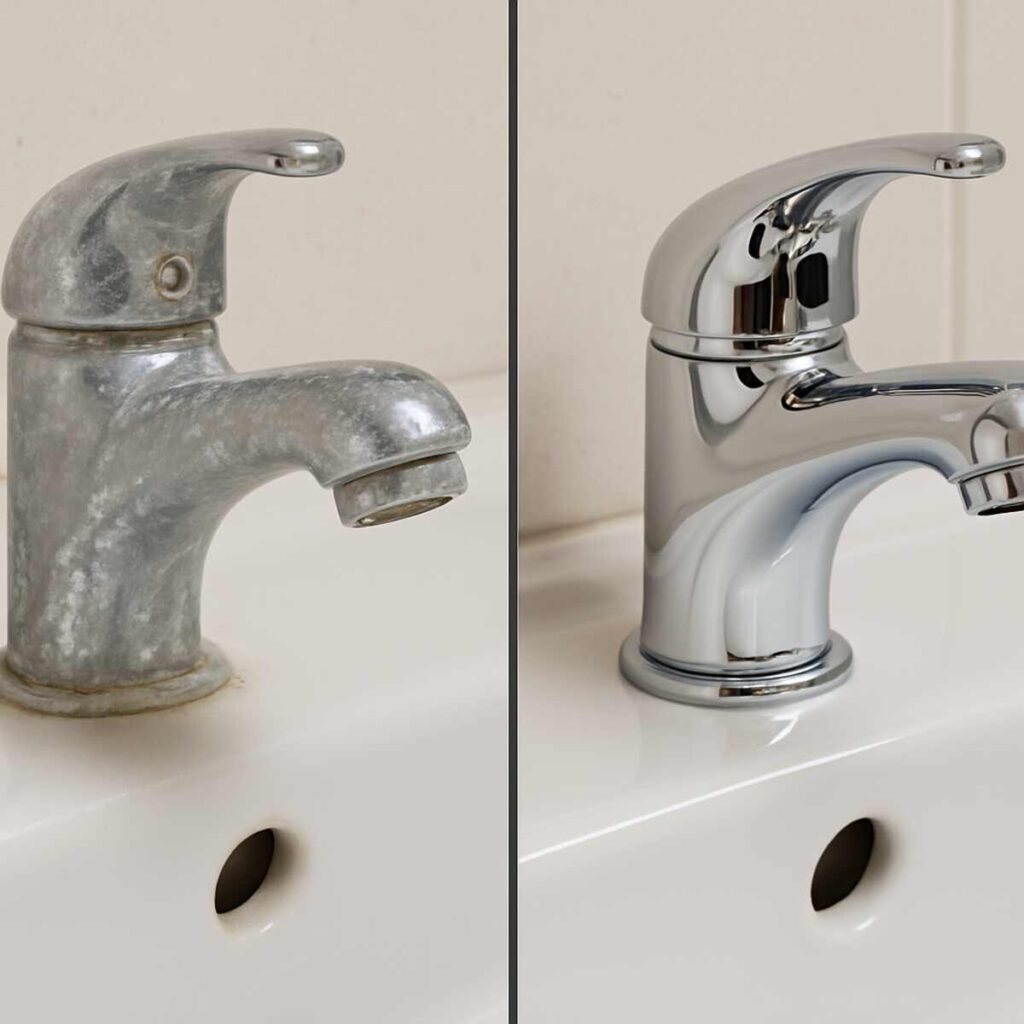
In practice, this means cleaning inside the oven until it shines, descaling every tap and showerhead, and clearing dust from places most of us forget, like on top of door frames and behind radiators. According to common knowledge among letting agents, overlooking these details is the number one reason tenants face deposit deductions, making the task of getting a rental property ready for inspection feel like a gamble.
This guide removes the guesswork by revealing what landlords are truly looking for. It will help you decide between a tough DIY job and hiring a pro and show you how to choose a company for end of tenancy cleaning in London that guarantees your money back. Consider this your step-by-step plan for a smoother move and your full deposit returned, minus the headache.
What Does “Professionally Cleaned” Actually Mean in Your Tenancy Agreement?
While your tenancy agreement might vaguely state the property must be “professionally cleaned,” the real benchmark is set by a different document: the inventory check-in report. This is the detailed record, often with photos, that was created when you first moved in. Your goal isn’t just to leave the place tidy; it’s to return it to the exact condition of cleanliness documented in that initial report. This is the standard letting agents will use to judge the clean, and it’s what your deposit return hinges on.
The key difference between this and your regular weekly tidy-up is depth. A “professional standard” means the property looks and feels as if no one has lived in it. Think beyond wiped counters and a quick vacuum. It means cleaning inside the oven until the racks shine, descaling every tap and showerhead to remove all limescale, and clearing dust from easily forgotten spots like skirting boards and extractor fans. It’s a forensic, top-to-bottom job designed to make the property ready for the next tenant immediately.
Ultimately, the final inspection is a direct comparison between the property’s current state and that initial inventory. An agent or inventory clerk isn’t looking for “clean enough”; they are methodically checking for any differences. This strict process explains the high inventory check cleaning standards and is why many tenants consider using services that can guarantee they will pass this final test. The question then becomes whether you have the time, tools, and expertise to meet this demanding standard yourself.
DIY vs. Professional Tenancy Cleaning: A Realistic Breakdown
Facing the high standards of a check-out clean, you have a crucial choice to make. The decision between a DIY vs professional tenancy cleaning comes down to a trade-off: saving money upfront versus saving time and securing your deposit with more certainty. While tackling the job yourself seems like the cheapest option, it’s important to weigh the hidden costs before you grab the rubber gloves.
A true end-of-tenancy clean is a marathon, not a sprint. It can easily consume one or two full days of intense work, even for a small London flat. You’ll also need to buy specialist products for oven degreasing, limescale removal, and carpet stains, which can add up. The biggest risk, however, is that after all that effort, the letting agent might still find issues, forcing you to return and clean again on a tight schedule.
Hiring a professional service is an investment in peace of mind. While you’ll wonder how much does a move out clean cost in London, the fee is often a fraction of your deposit. More importantly, reputable companies guarantee their work. If the inventory clerk flags a missed spot, the cleaners will return to fix it for free. This guarantee is your insurance policy for securing your tenancy deposit return and is powerful proof for your landlord that you met your obligations.
To help you choose, ask yourself these four questions:
- Time vs. Money: Do you have at least a full day to dedicate solely to deep cleaning?
- Tools: Are you prepared to buy or rent all the necessary supplies and equipment?
- Risk: Is saving the cleaning fee worth the risk of a potential deposit deduction?
- Guarantee: Are you willing and able to return to the property if the agent requests a re-clean?
The Professional Move Out Cleaning Checklist: What a Standard Service Must Cover
So, you’re leaning towards hiring a professional. But what does that actually get you? A true “professional standard” clean isn’t just a good tidy-up; it’s a forensic, top-to-bottom service designed to meet the strict criteria of letting agents and inventory clerks. Knowing what is included in a deep tenancy clean is your best tool for vetting companies and ensuring you’re paying for a service that gets the job done right.
Think of the following as your essential professional move out cleaning checklist. Any reputable company offering landlord approved cleaning services should cover these points as standard. If a quote seems too good to be true, compare their service list against this one.
- Kitchen:
- Oven: Fully degreased inside and out, including the racks and glass door.
- Extractor Fan: Filter removed and degreased, and the hood cleaned.
- Appliances: Fridge, freezer, microwave, and washing machine cleaned inside and out.
- Surfaces: All cupboards cleaned inside, outside, and on top; worktops and sink sanitised.
- Bathroom:
- Limescale Removal: Taps, shower heads, and shower screens descaled until they shine.
- Deep Clean: Tiles scrubbed, grout cleaned, and the toilet, basin, and bath/shower deep cleaned and polished.
- Drains: Cleared of any hair and soap build-up.
- All Rooms:
- Details: Skirting boards, light switches, sockets, and door handles wiped down.
- Windows: All interior windows, sills, and frames cleaned.
- Surfaces: Dusting and wiping of all surfaces, including easily-missed spots like the tops of door frames.
- Floors: Thoroughly vacuumed and mopped.
This comprehensive list covers the core of a tenancy clean, but it’s just as important to know what usually falls outside a standard service and might cost extra.
The Hidden Extras: What’s NOT Included in a Standard Tenancy Clean?
While the standard checklist is comprehensive, it’s crucial to understand what usually costs extra. These are typically specialist jobs that require different equipment and expertise than a standard deep clean. To avoid any surprise fees on your final invoice, it’s wise to clarify if you’ll need any of these services when you ask for a quote. Your tenancy agreement might even list specific pre-tenancy cleaning requirements, such as professional carpet cleaning, so always check it first.
The most common add-ons are services that go beyond surface-level cleaning and tackle deep-seated dirt or exterior areas. These almost always include:
- Professional Carpet Cleaning: This isn’t just vacuuming. It’s a deep carpet cleaning for tenants using hot water extraction machines to remove stains and allergens from deep within the fibres.
- Upholstery Cleaning: For sofas, armchairs, or dining chairs.
- External Window Cleaning: Especially for flats above the ground floor.
- Balcony or Patio Jet Washing: To remove moss and dirt from outdoor surfaces.
Knowing about these potential extras is key to setting a realistic budget. When you call for a quote, mention the state of your carpets and if you have a balcony. A reputable company will ask you these questions upfront to help determine the final cost.
How Much Does End of Tenancy Cleaning Cost in London? (A Realistic 2024 Price Guide)
So, what’s the bottom line? For a standard service in 2024, you can expect initial tenancy cleaning prices to start around £150 for a studio flat, £180 for a one-bedroom property, and £220+ for a two-bedroom, two-bathroom home. These ballpark figures are a great starting point for budgeting your move.
However, the final quote is influenced by more than just the number of rooms. The single biggest factor is the property’s current condition. A company will always ask about the level of cleaning required because it directly impacts the time and resources their team will need. For instance, a well-maintained flat will cost less than one requiring heavy-duty work to tackle a grease-caked oven, significant pet hair, or thick limescale buildup in the bathrooms.
While this may feel like another expense during a costly move, it’s often best viewed as an investment to protect your deposit. With the average tenancy deposit in London often exceeding £2,000, paying a fraction of that for a guaranteed, professional service is a smart financial move. The invoice you receive also acts as crucial proof for your landlord or letting agent that you’ve met your obligations by hiring professionals to complete a professional move out cleaning checklist.
Ultimately, the price only matters if the job is done properly. A cheap clean that fails the final inspection is a waste of money and will still put your deposit at risk. This raises the most important question: how can you be sure the company you hire is reputable, fairly priced, and will actually deliver the quality needed to get your money back?
How to Choose a Reputable Cleaner and Avoid Deposit-Losing Scams
With countless companies online, finding one you can trust feels overwhelming. The goal isn’t just to find a cleaner, but to find a partner whose work will satisfy your letting agent. The best rated move out cleaners in London share a few key traits that separate them from the cowboys looking to make a quick buck.
Before you book, look for clear signs of professionalism. A legitimate company will always have public liability insurance, which simply means they are covered for any accidental damage during the clean. They should also provide a free, itemised quote that breaks down exactly what is—and isn’t—included. This avoids any nasty surprise charges on the day and ensures you’re comparing like-for-like services.
To make it easier, here’s a quick checklist to help you spot the good from the bad:
| Green Flags (Look For These) | Red Flags (Avoid These) | | —————————————————————————————————- | ———————————————————————— | | A Guarantee: They promise a free re-clean if the agent’s check-out report finds any issues. | Cash-Only / No Invoice: Leaves you with no proof for your agent. | | Itemised Quotes: A clear list of all tasks, including oven, fridge, and window interiors. | Vague Promises: “We clean everything” is not a commitment. | | Public Reviews: Check independent sites like Google or Trustpilot, not just their own website. | Unbelievably Cheap Prices: Often means a rushed, low-quality job. |
Ultimately, the most important question to ask is: “Do you offer a guaranteed deposit back cleaning service, and will I get a professional invoice?” A company that confidently says “yes” to both is invested in your success. Once you’ve booked a reliable team, the next step is understanding what they’ll be focusing on.
A Cleaner’s Secrets: The 7 Missed Spots That Cost Tenants Their Deposit
After you’ve done the heavy lifting, it’s often the smallest missed details that cause issues during the final inspection. Letting agents and inventory clerks are trained to look for common signs of wear that go beyond a standard tidy-up. Understanding these hotspots is crucial when getting a rental property ready for inspection, as they are almost always checked.
Whether you’re doing the clean yourself or double-checking a professional’s work, pay special attention to these areas. They are the difference between passing the inspection and facing a deduction.
- Limescale on Taps and Shower Heads: London’s hard water leaves a white, crusty build-up that agents spot instantly. Taps should shine, and shower heads should be free of blockages.
- Grease on the Extractor Fan Filter: This metal mesh above the hob traps a surprising amount of grease. It should be degreased until it’s clean to the touch.
- Inside the Washing Machine Seal: The rubber ring around the door is a magnet for mould and grime. It needs to be pulled back and wiped clean.
- Dust on Top of Door Frames & Skirting Boards: These high and low surfaces are easily forgotten but are a clear sign of a rushed job.
- Streaks on Interior Windows: Natural light exposes every smudge and streak. Windows, sills, and frames must be spotless.
- Inside the Oven Door Glass: It’s not enough to clean the oven; many agents check the space between the glass panels for grease drips.
- Behind Radiators: Dust and cobwebs gather here out of sight. A long, thin duster is essential to prove a deep clean was performed.
Checking this list before you hand back the keys is your final line of defence. It ensures the property meets the high inventory check cleaning standards expected. But what happens if the agent still finds a fault? That’s where a professional’s guarantee truly proves its worth.
How the “Deposit Back Guarantee” Actually Protects You
A professional guarantee is your safety net, but it’s important to understand how it works. It isn’t a promise that you’ll get your deposit back no matter what; rather, it’s a commitment to re-clean any specific areas flagged by your letting agent at no extra cost. This is the core of a guaranteed deposit back cleaning service—it ensures the standard of cleanliness won’t be the reason for any deductions. Your invoice from the company serves as crucial proof that you hired a professional, a key step in fulfilling your tenancy obligations.
So, if your agent does find a problem, the process is straightforward and designed to resolve issues quickly. Here’s what happens:
- The Clean & Invoice: Your property is cleaned, and you receive a dated invoice. Keep this safe.
- The Inspection: The letting agent or inventory clerk conducts their inspection, creating a “check-out report.”
- The Report: If they note any cleaning-related issues, they must provide you with this report in writing or by email.
- The Call: You simply forward this report to the cleaning company, usually within a 48-72 hour window.
- The Fix: The company sends a team back to correct only the specific items listed in the report, free of charge.
Crucially, this guarantee system shows organisations like the tenancy deposit scheme that you have taken all reasonable steps to leave the property in good condition. By closing this final loop, you are in the strongest possible position for securing your tenancy deposit return without disputes or delays.
Your Final Checklist for a Stress-Free Move and Full Deposit Return
Just a short while ago, the phrase ‘end of tenancy clean’ likely felt like another source of stress in your move. Now, you’re no longer guessing what’s required or worrying about your deposit. You have the knowledge to decide exactly how to tackle the job, turning a major hurdle into a manageable and predictable task.
To make securing your tenancy deposit return as simple as possible, here is your final action plan for getting a rental property ready for inspection:
- Dig out your original inventory report to know your target.
- Decide: DIY (if you have 2 days and are detail-oriented) or Pro (if you’re time-poor or risk-averse).
- If Pro, get 2-3 itemised quotes from guaranteed and insured companies.
- Schedule the clean for after all your belongings are removed.
- Hand the keys back with the cleaning invoice ready to show your agent.
Think of this clean not as a final chore, but as the moment you officially close the door on your old place with confidence. By following these steps for your end of tenancy cleaning in London, you’re taking control of the final piece of your move. Now you can focus on what really matters: settling into your new home.


